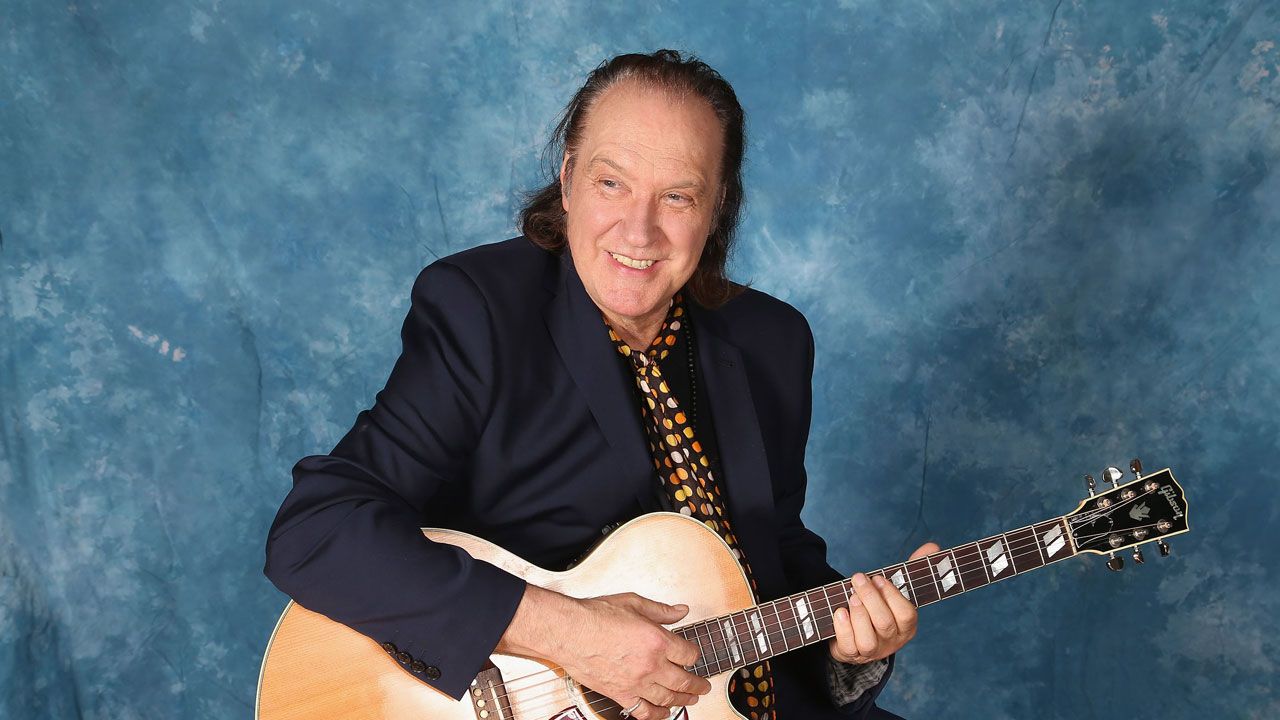
You couldn’t buy blues records where we grew up in the suburbs, but me and Pete [Quaife, The Kinks’ original bass player], used to go to the West End, down Berwick Street and around Soho. One day, we came across Dobells, which was really a jazz shop, but they had a blues section we used to forage through and we found some great things in there.
I remember discovering albums by Sleepy John Estes and Sonny Boy Williamson and going home and playing them, that was really exciting. Both became big influences, too.
It wasn’t just the blues guitar that appealed to us though; the blues harp playing also influenced the band. People such as Little Walter were incredible and inspiring. We used to try to play all kinds of blues things and my brother Ray played blues harp as well, so we did some Sonny Boy Williamson stuff and Slim Harpo.
Latest Videos From Louder
On one of our early B-sides, I Took My Baby Home, Ray plays a harp solo part. We also covered Slim Harpo’s I Got Love If You Want It and it was a real rave-up. My brother-in-law Mike played jazz guitar and he taught me a lot about music. He introduced me to Django Reinhardt and Earl Scruggs. He showed me a film of Big Bill Broonzy in 1956 playing in a club in Paris. There’s a scene where a woman knocks an ashtray off the piano and Broonzy stops playing. That tension and atmosphere was great. I always remember that.

Lazy Lester – I’m A Lover Not A Fighter
I loved everything about that song and still love it today. In a little corner in Dobells record shop, there was a section for compilations. You’d get a track by Lazy Lester and a track by Slim Harpo and we would buy these albums and play the shit out of them. I’m A Lover Not A Fighter was on an album called Authentic R&B and The Kinks covered it on our first album. I played a gig recently at The Magic Bag in Detroit. Lazy Lester played there, too. I told them they’d got to look after him and he turned out to be a big fan of mine, which I didn’t know. It made me feel really emotional when I found that out, because this guy helped me start my own career.
John Lee Hooker – Boom Boom
Boom Boom was the first song we heard by John Lee Hooker. It was a really huge influence. He had a perfect blues groove. It was more than blues, it had a rock feel, it was a bit raggedy and twangy and had something else added to it. John Lee Hooker had a great voice, he looked great, he was great!
Howlin’ Wolf – Smokestack Lightning
This was a really important record for us and it had that great riff. We changed it around a bit when we covered it live. He said it was inspired by watching the trains go by at night and we did a track on The Kinks Are The Village Green Preservation Society called Last Of The Steam Powered Trains, which adapted it.
Davey Graham – Cocaine
I had his album Folk, Blues & Beyond and I played it a lot. Cocaine had that kind of innocent feel and Davey Graham sang in an English accent and that was important. You didn’t hear that much. He was based in English folk but he incorporated blues and Eastern styles and used interesting tunings. I got to know him later and we became good friends.
Chuck Berry – Sweet Little Sixteen
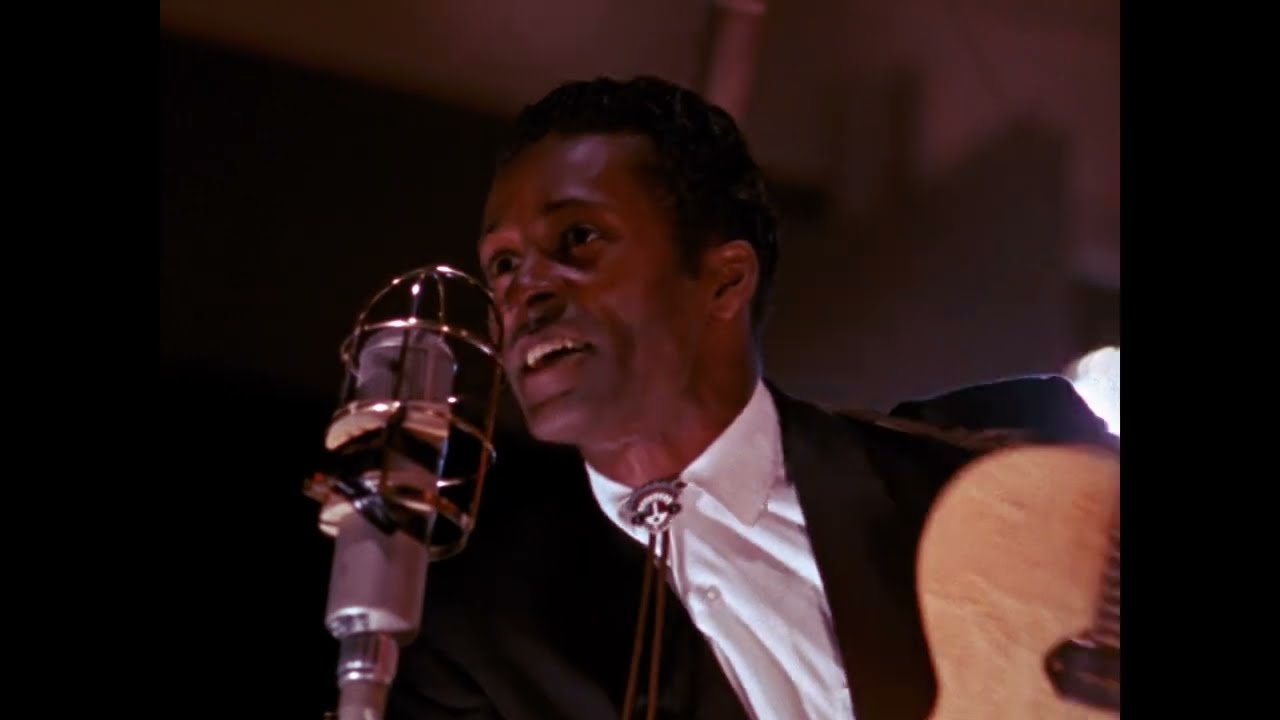
When I saw Chuck Berry play Sweet Little Sixteen in Jazz On A Summer’s Day [documentary of the 1958 Newport Jazz Festival] it blew me away. He was fantastic. It was one of those times in your life where you think “I want to do that.” He was playing with old jazz players and they were taking the piss a bit in the background but he knew what he was doing. He was a forerunner of all electric rock’n’roll.
Sleepy John Estes – Milk Cow Blues
Sleepy John’s style was laidback and his records were full of atmosphere. The Kinks’ version of Milk Cow Blues was based on Sleepy John’s but we changed it, we altered the arrangement and put in a rave-up.
Big Bill Broonzy – Black, Brown And White
He played boogie and changed it into a guitar shuffle. Arthur Smith did Guitar Boogie Shuffle but Broonzy was doing it on tracks such as Hey Hey. There was one song me and Ray really liked called Get Back [Black, Brown And White]. It was about guys queuing up for jobs on the waterfront and it goes: ‘If you was white, you’s alright, if you was brown, stick around, but if you’s black, oh brother, get back, get back, get back.’
Ray wrote a song years later called Get Back In Line [on Lola Versus Powerman And The Moneygoround Part One] that was influenced by that Big Bill Broonzy song. Growing up in a working-class family and having uncles who worked on the railways relates to that Rock Island Line environment. Lonnie Donegan brought that influence too.
The YardbIrds – Heart Full Of Soul
When Jeff Beck joined The Yardbirds we became good buddies and drinking mates. To me, Jeff was a much more colourful person [than Eric Clapton] and I always rated his playing. Heart Full Of Soul has a great riff and the guitar is leading the song. Jeff was really ahead of his time with what he was doing on The Yardbirds’ records.
Ricky Nelson – Hello Mary Lou
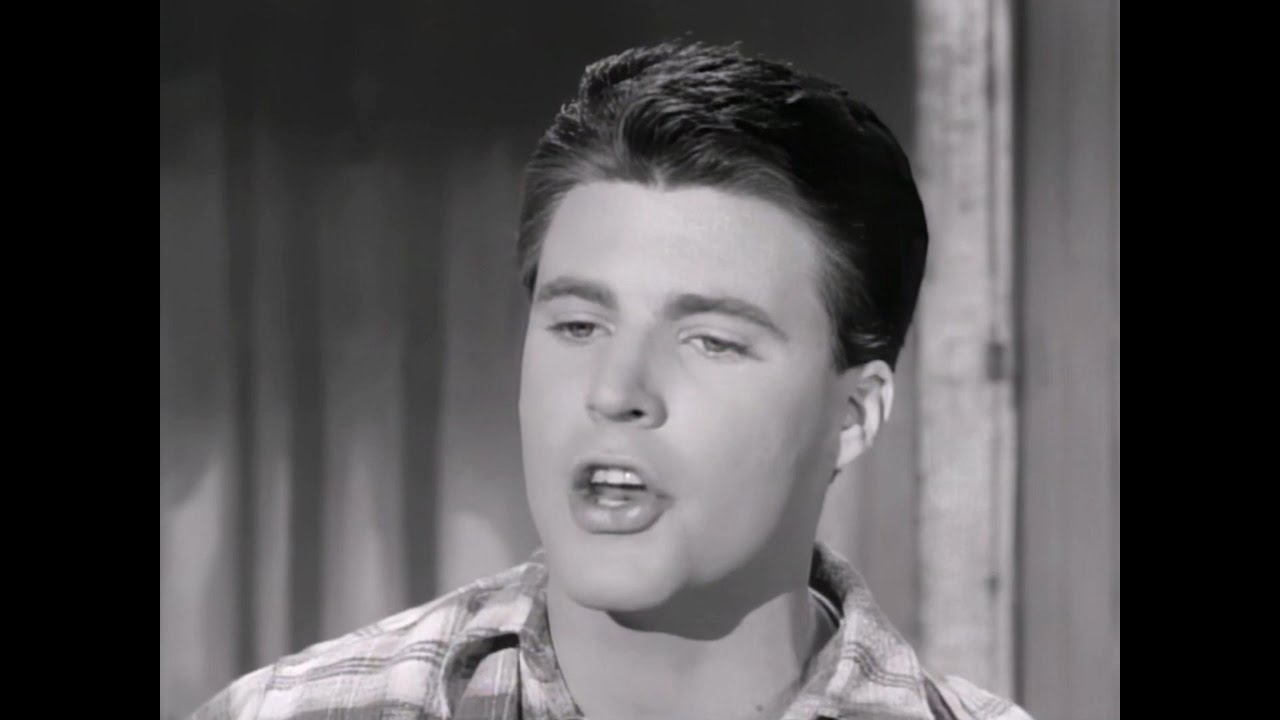
I really liked Ricky Nelson’s vocals, but I was also drawn to James Burton’s guitar playing – that solo on Hello Mary Lou I still think is one of the best rock’n’roll guitar solos ever. It’s kind of bendy, bluesy and country.
Ricky Nelson was an all-American kid with that sweet voice but I was desperate for the guitar work on his songs, all that great guitar picking. James Burton was great at picking out those solos and melody lines that fitted the song and it made me realise that playing the guitar is as much about what you do and add to a song as it is about just playing. It taught me about how guitar fits with other instruments.
The Ventures – Walk Don’t Run
The Ventures were important because the rhythm guitarist played barre chords which were really handy because you didn’t have to worry about the minors, sixths and sevenths and so on.
We never had much time to record in the early days of The Kinks and, if you listen to Till The End Of The Day, I’ve got a C major mixed up with a D minor but we didn’t have time to fix it. Minors and majors, if they are in the wrong place, clash. On You Really Got Me and a lot of the early stuff when I thought about doing barre chords it freed up my ability to go through lots of different chords and experiment with various structures.
Chet Atkins – Trambone
Chet Atkins had an album called Teensville that I liked and he did a track called Trambone that had a country-based melody that was a big influence. He used the country picking style of playing. It was important to us because the picking and bending of notes was all part of the learning process.
Dave Davies was speaking with Jon Harrington. This feature originally appeared in The Blues #19, published in February 2015.