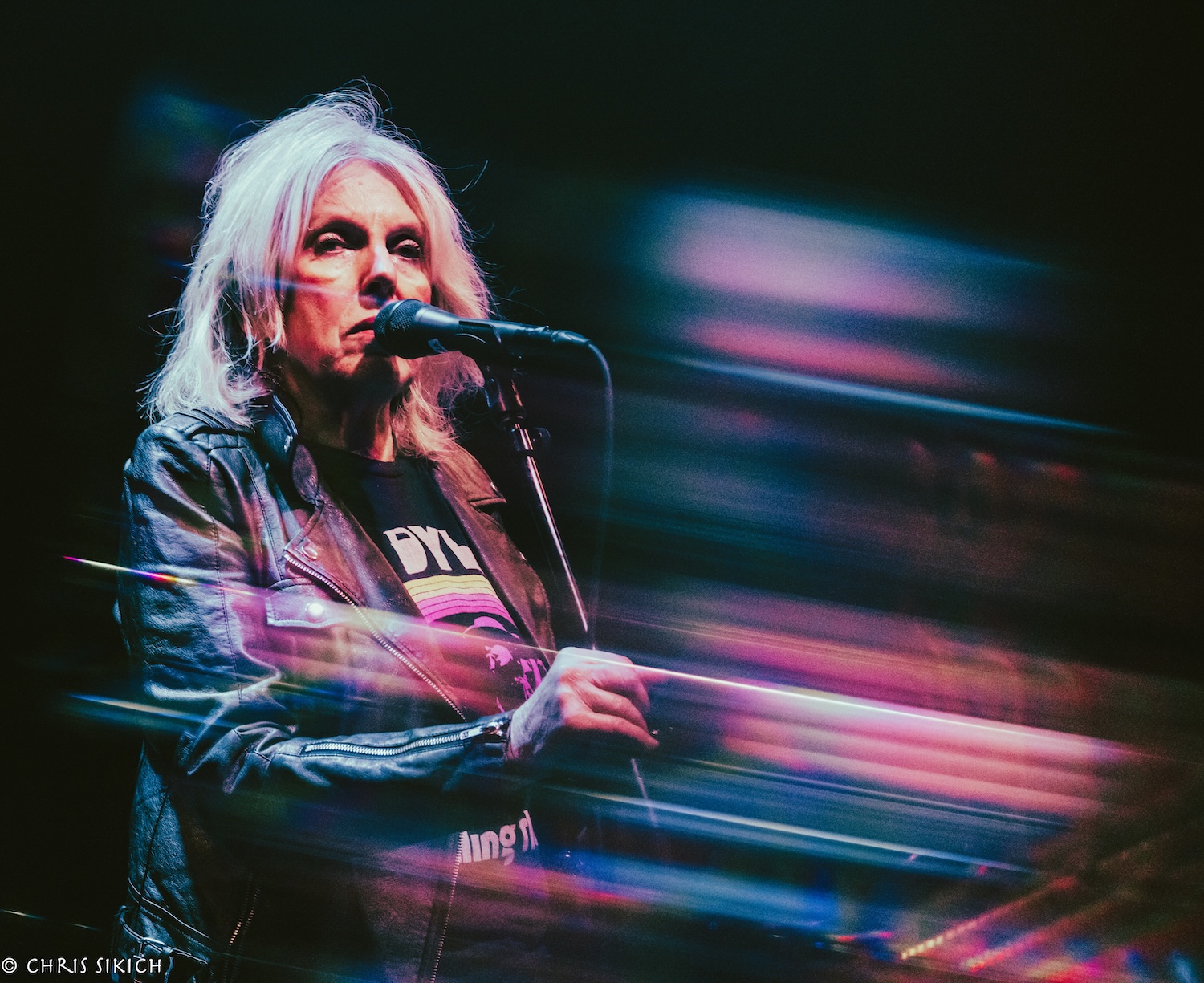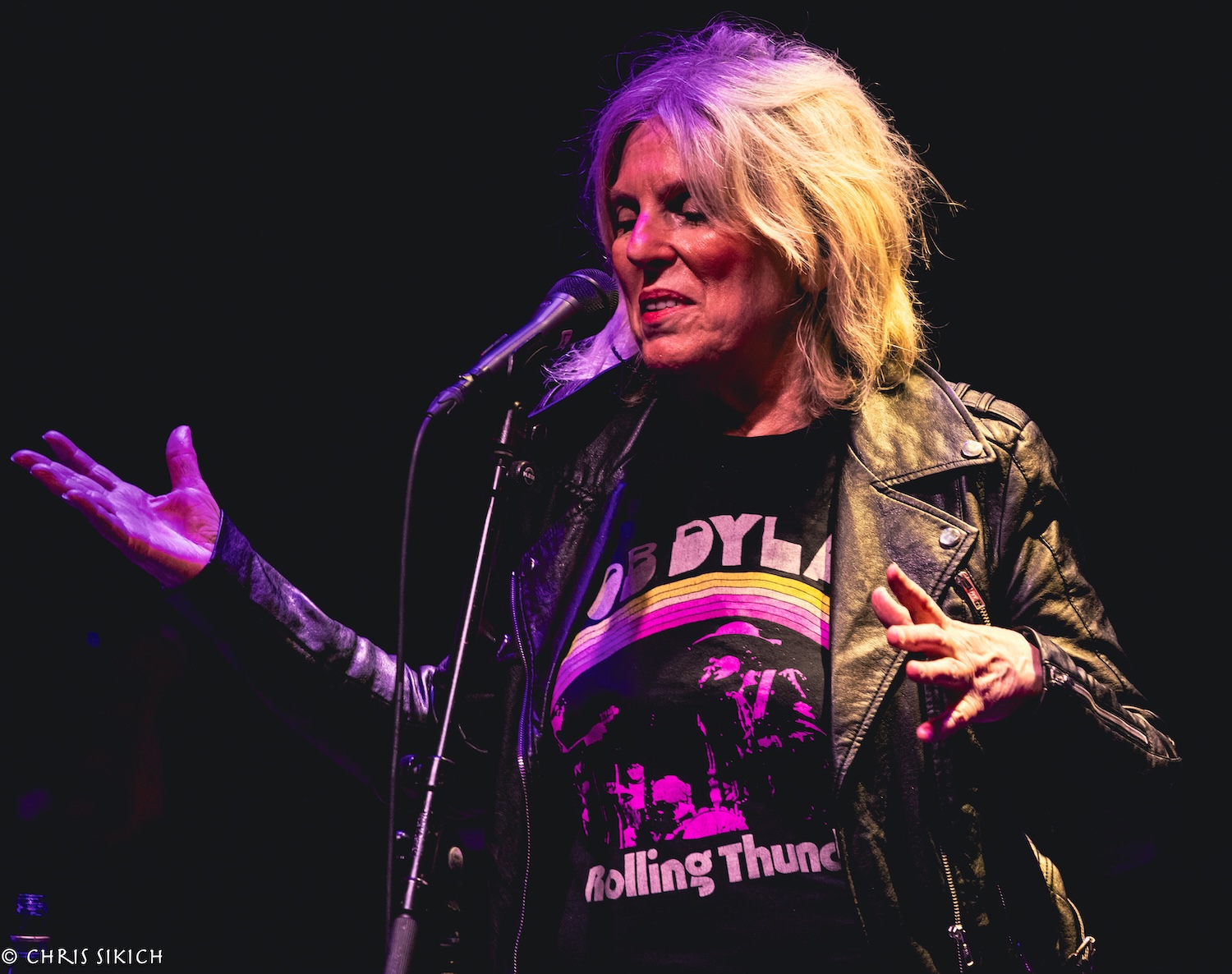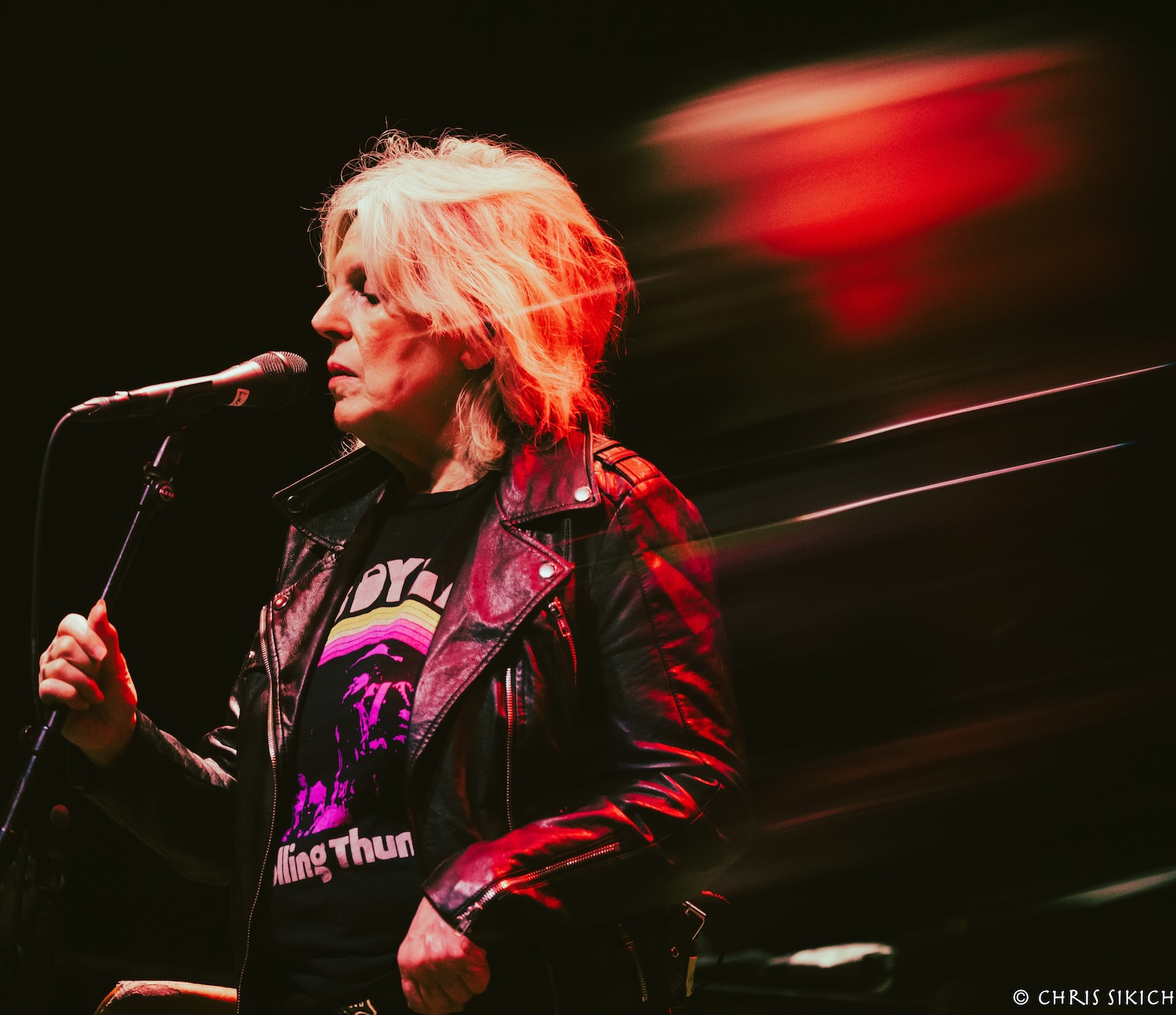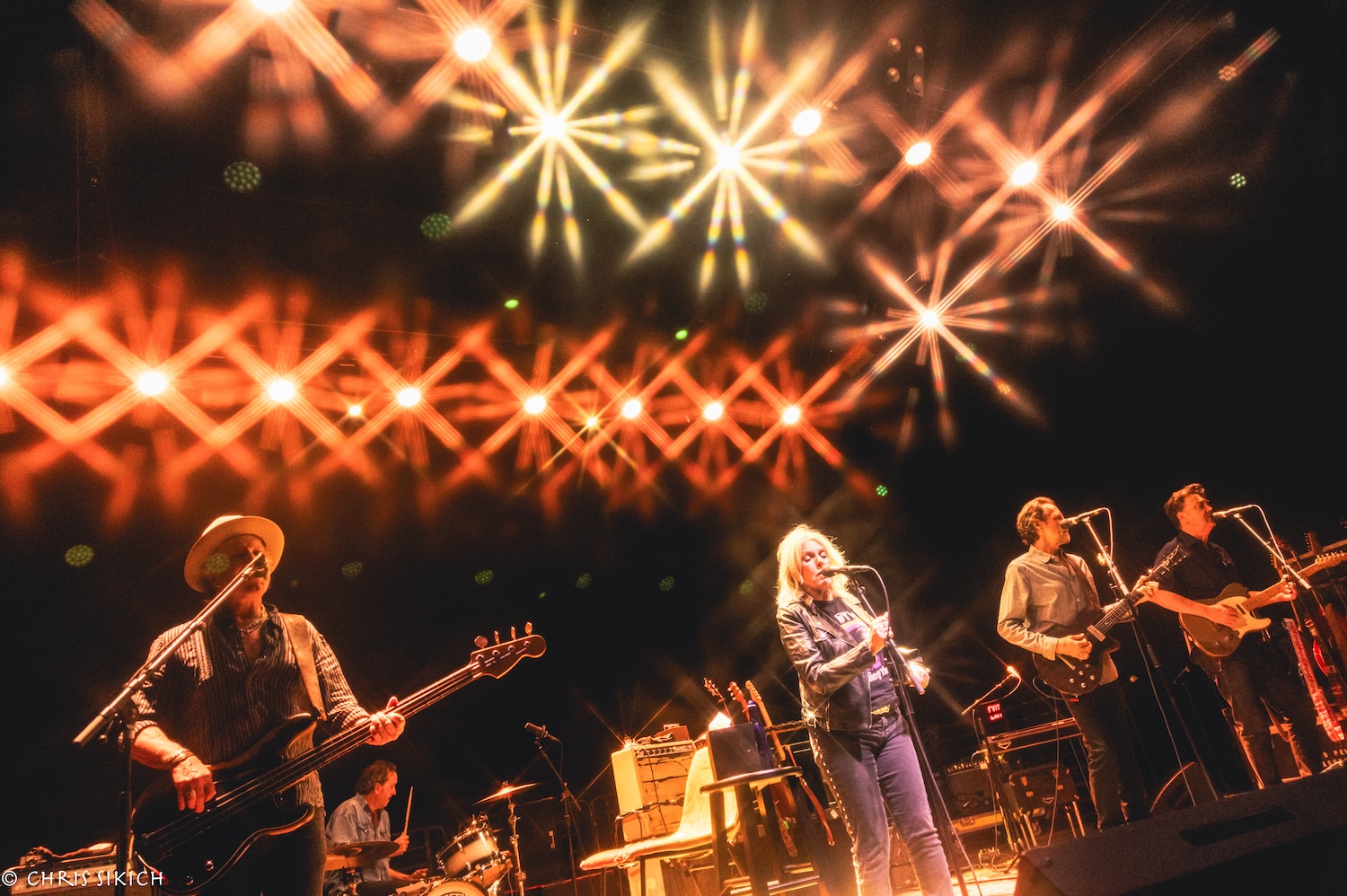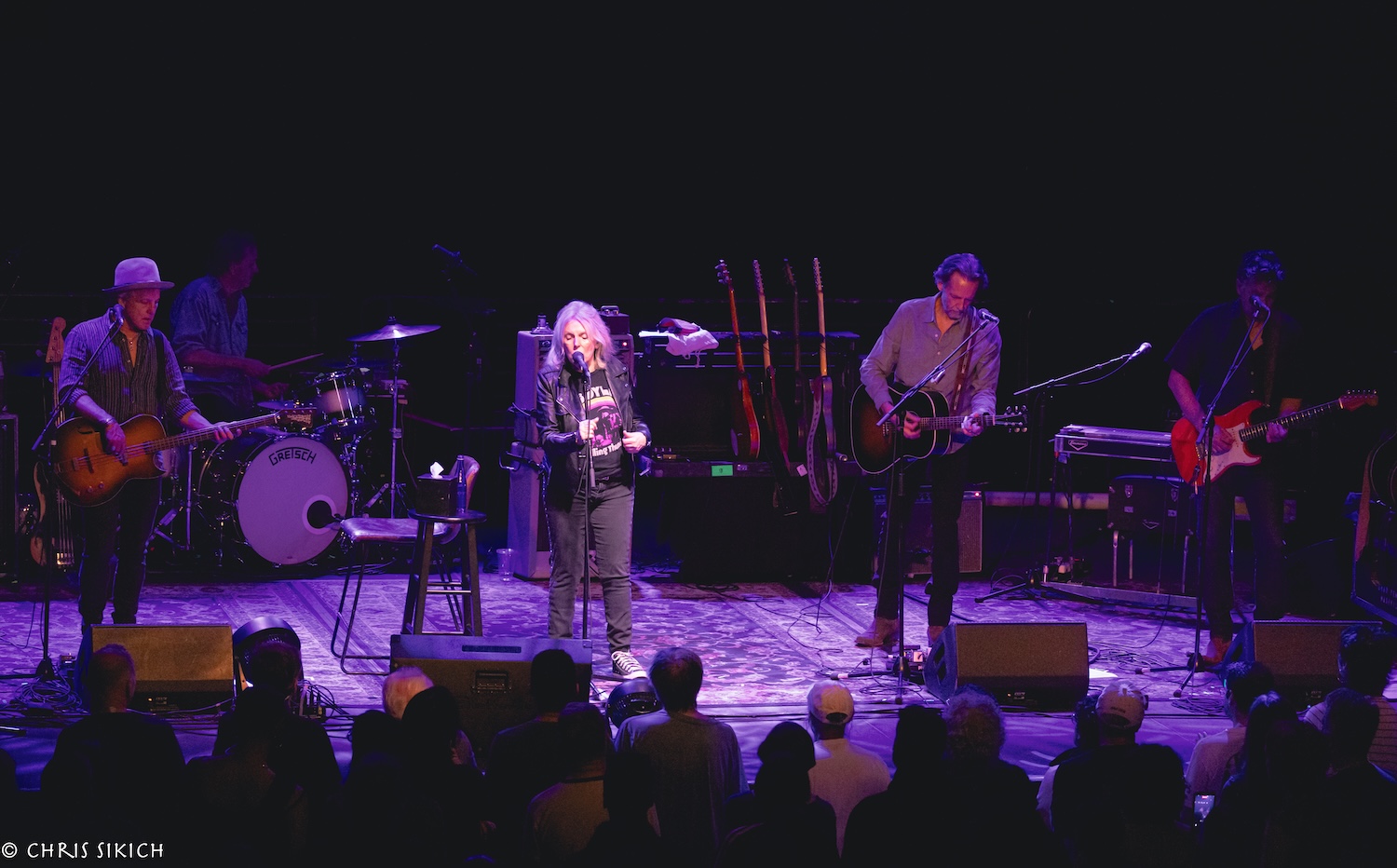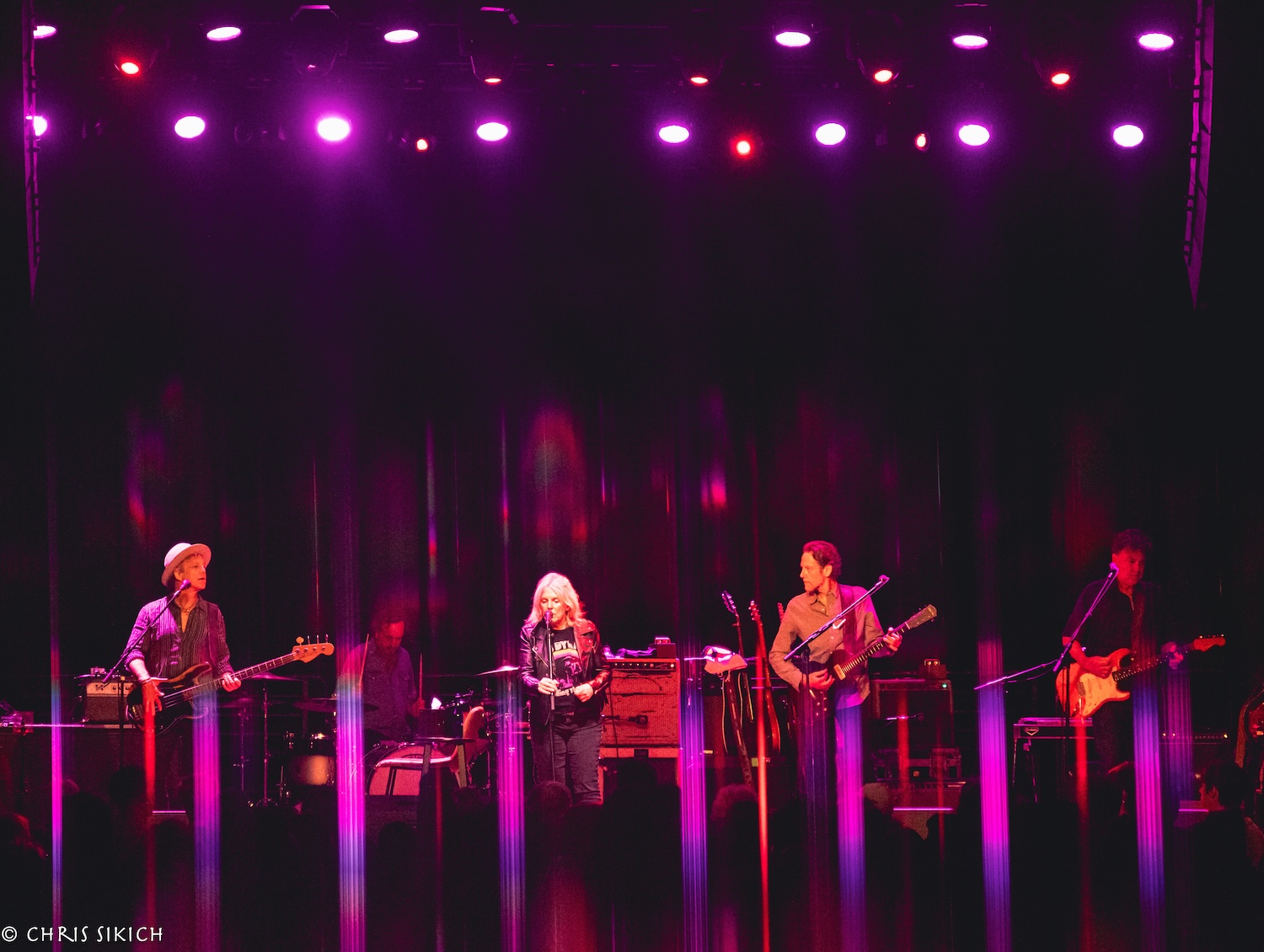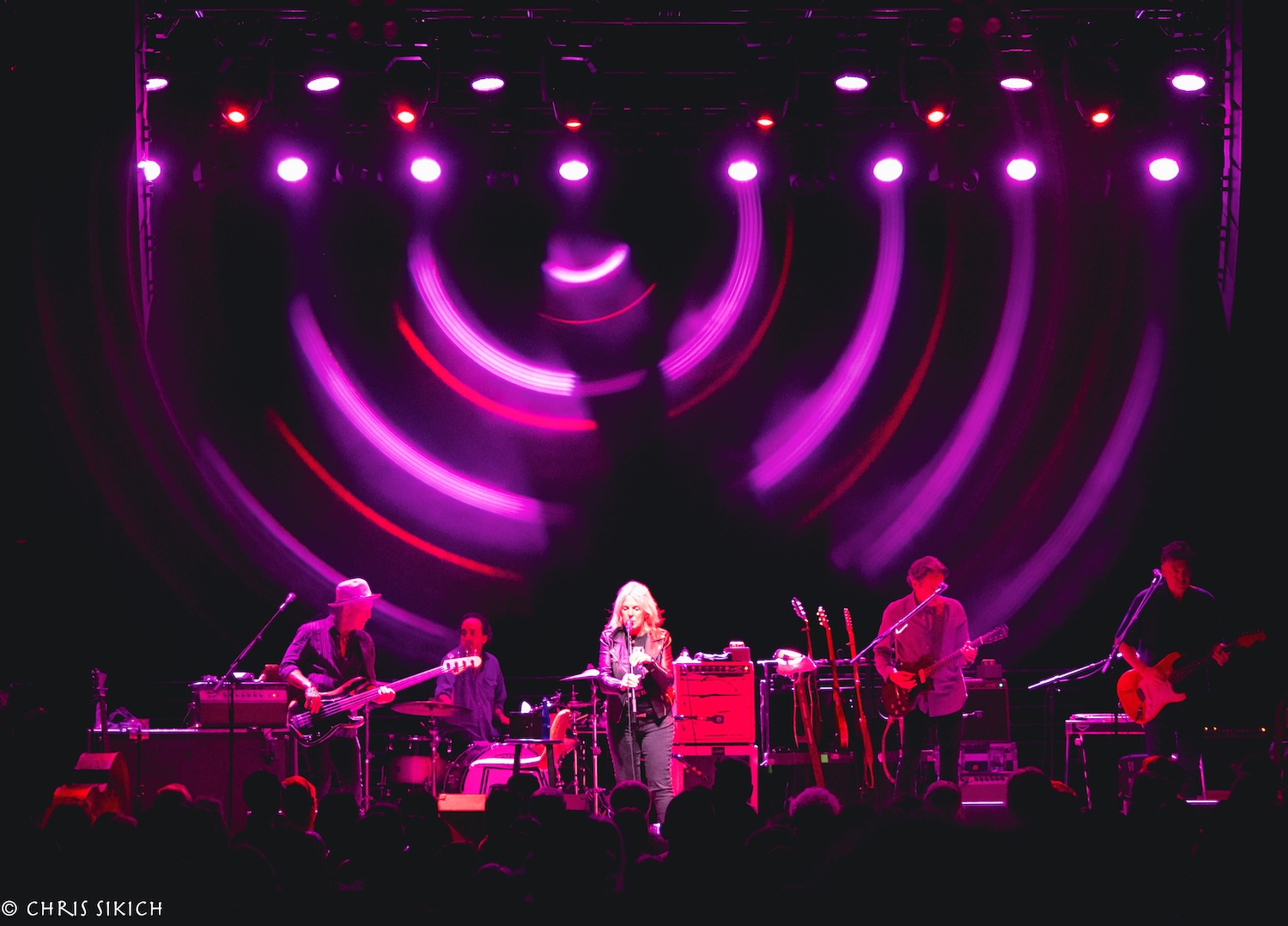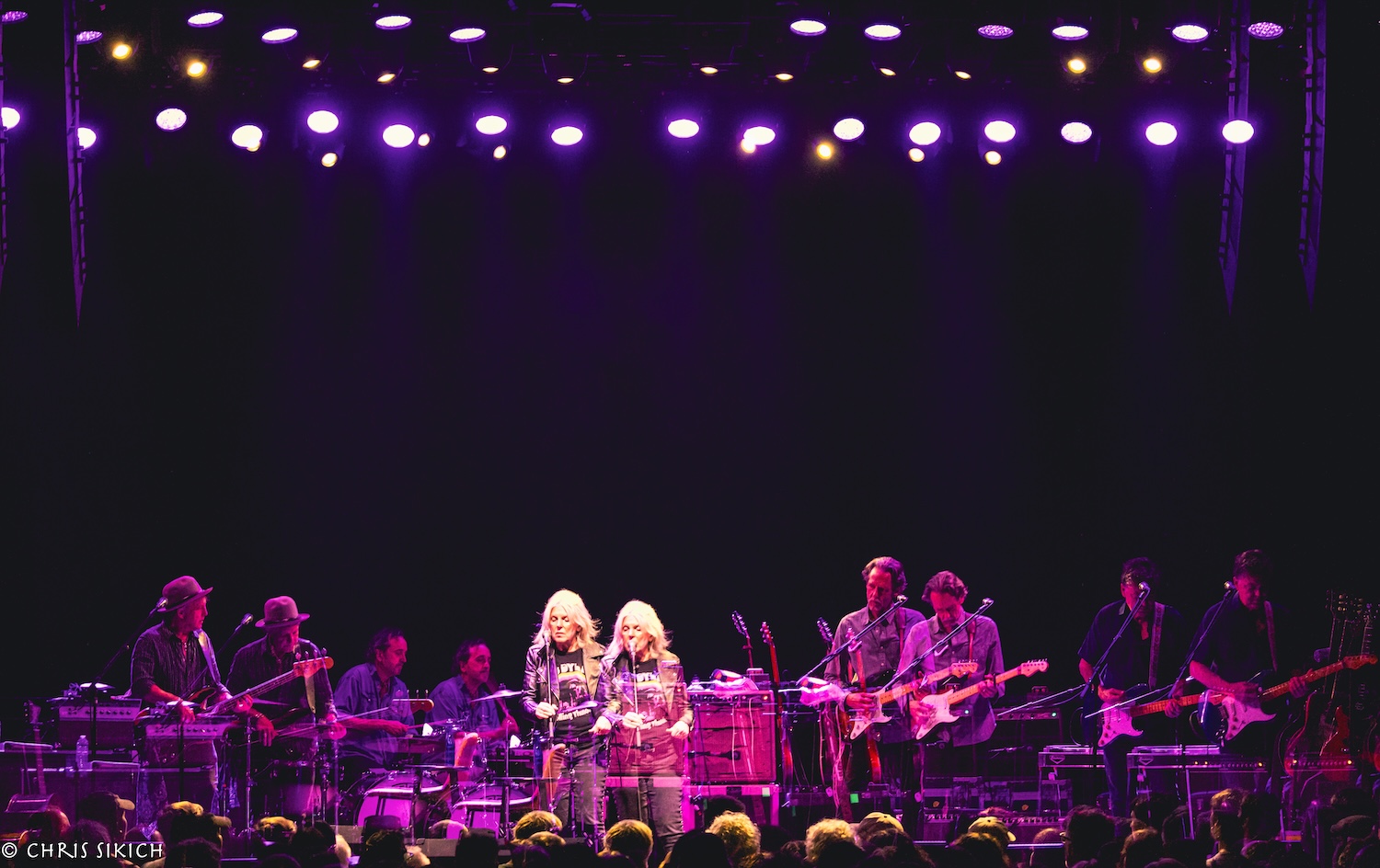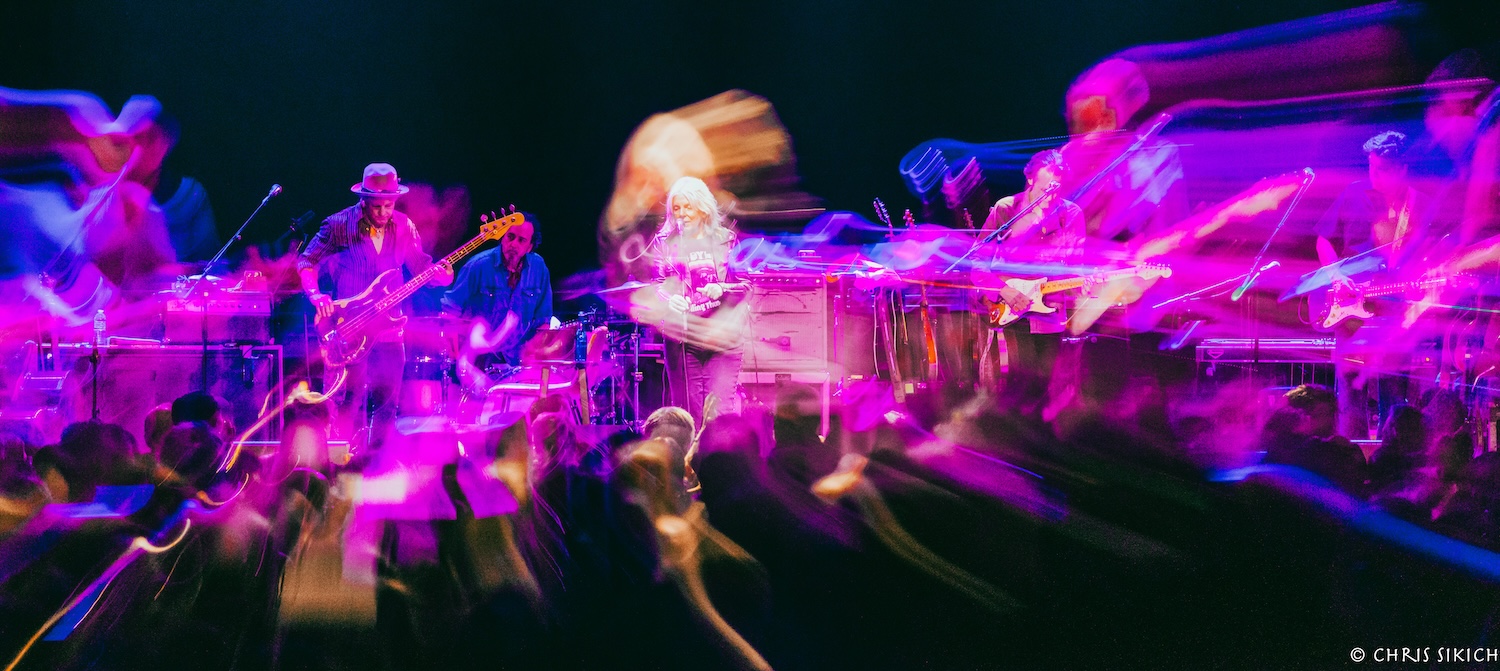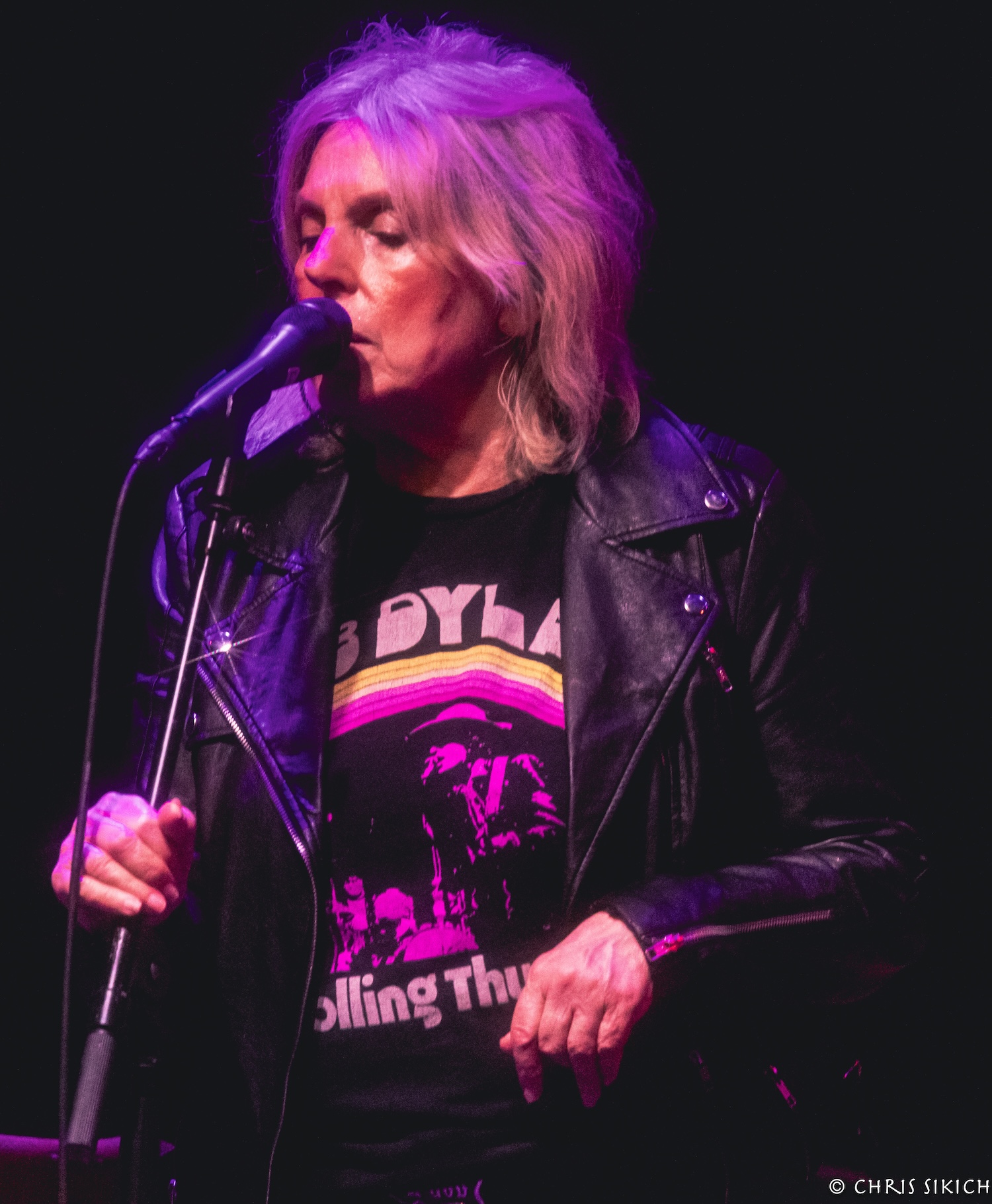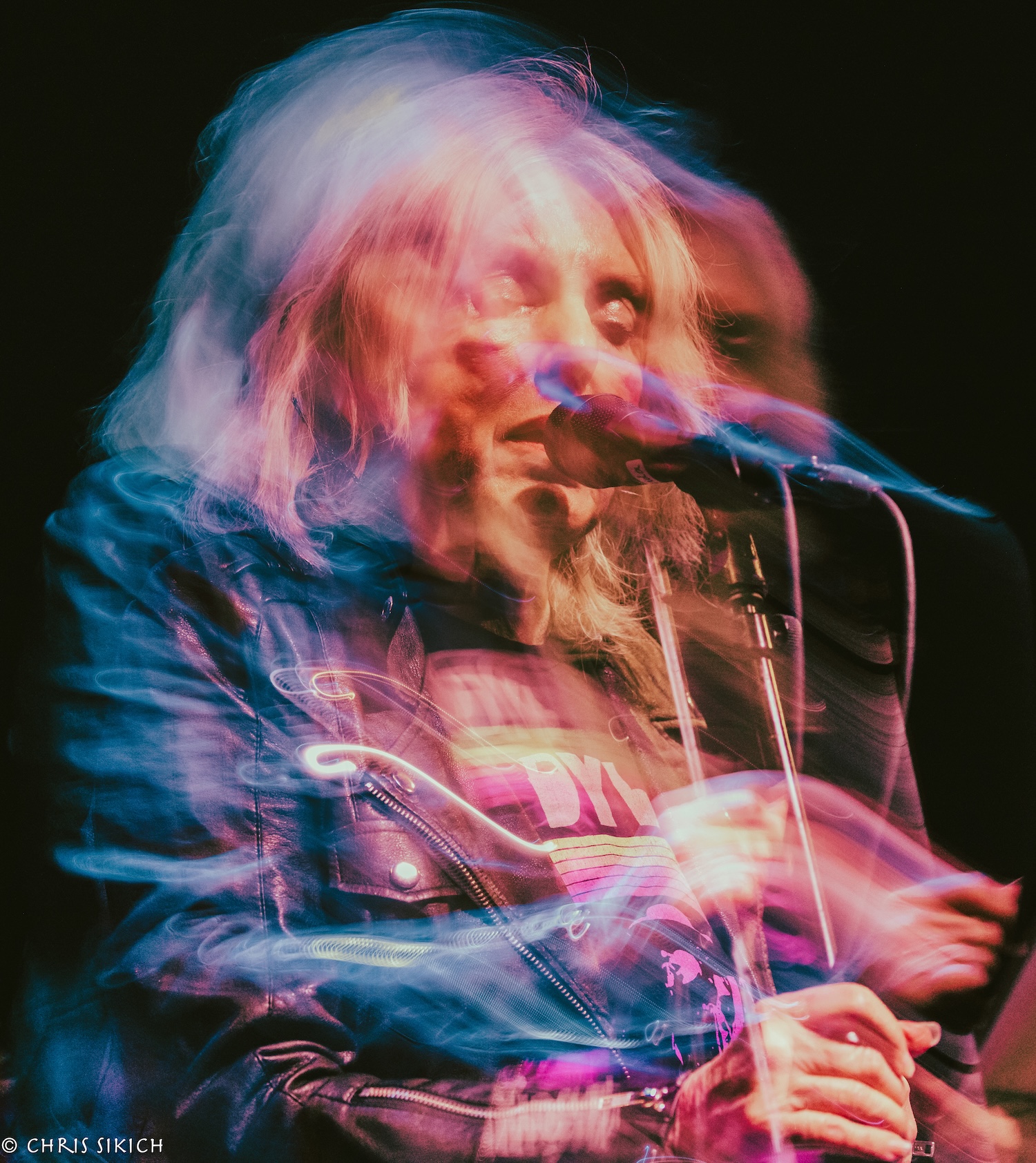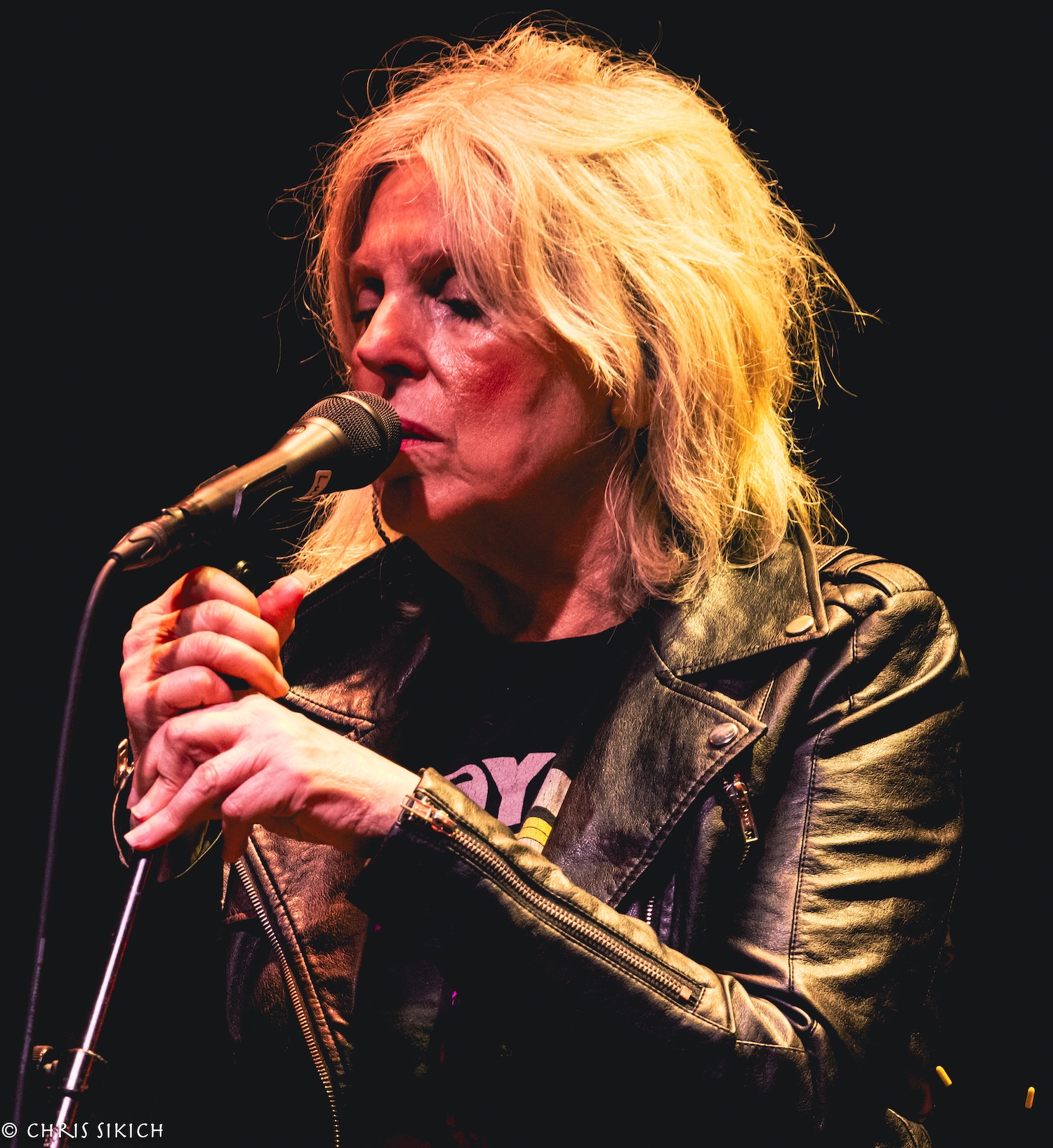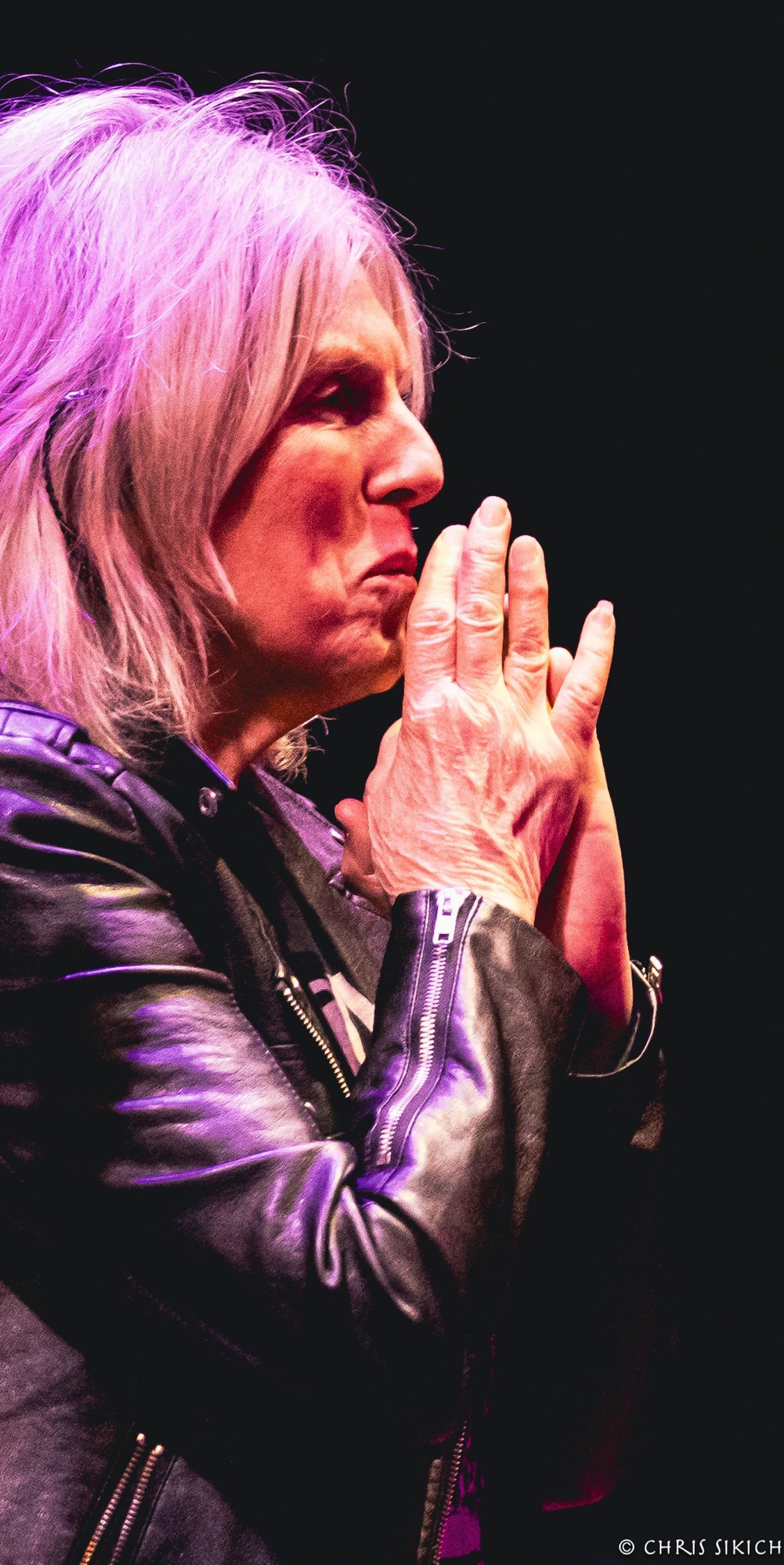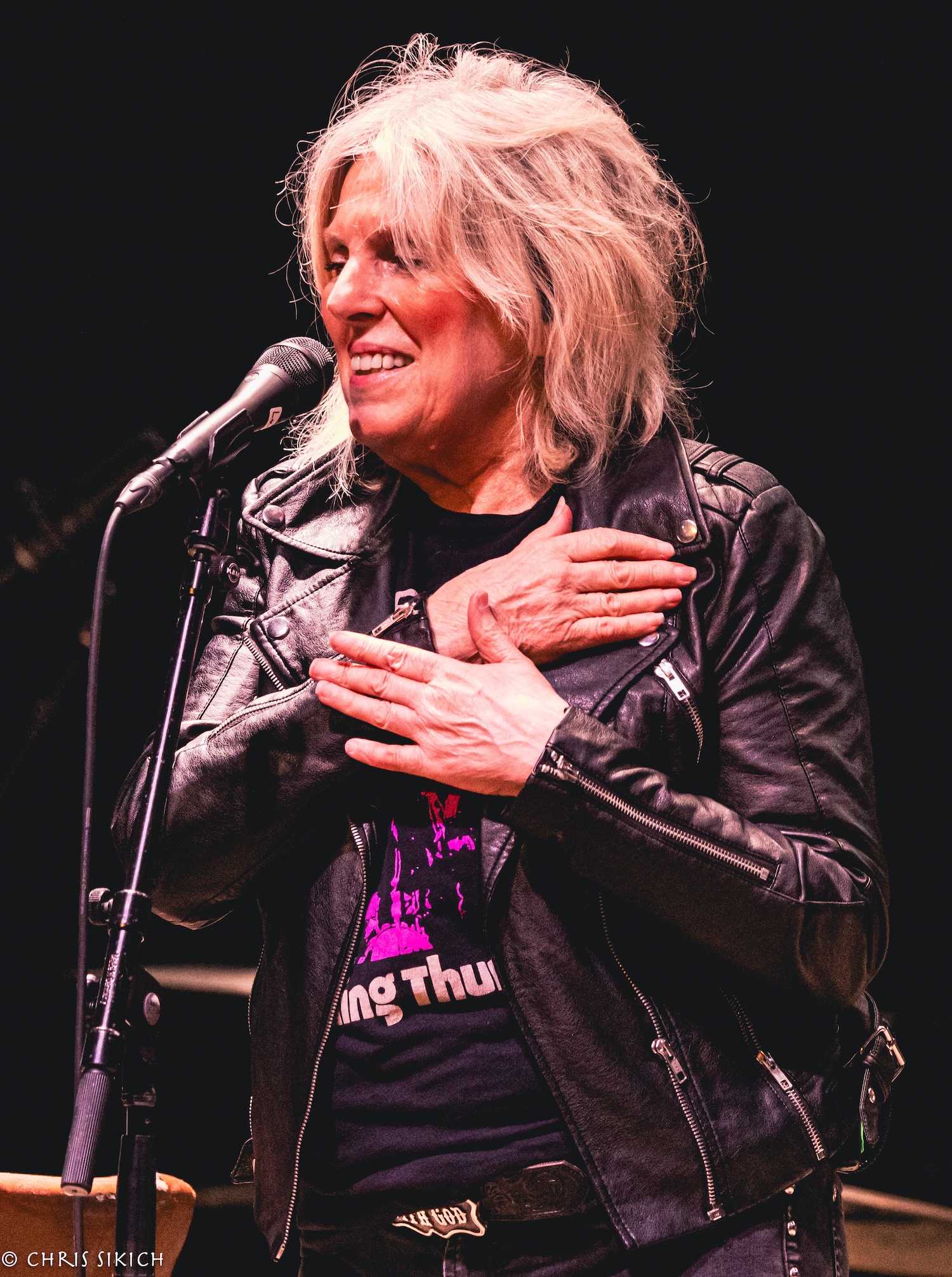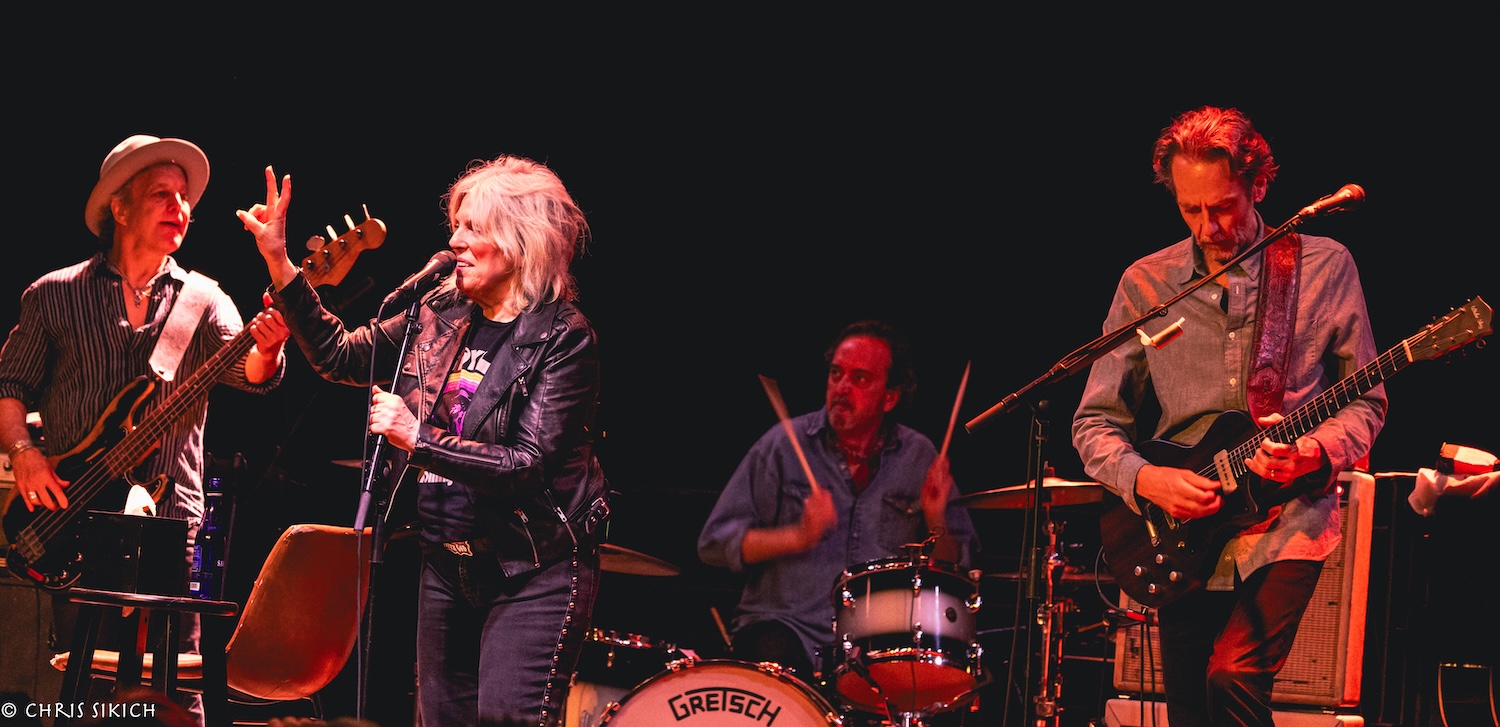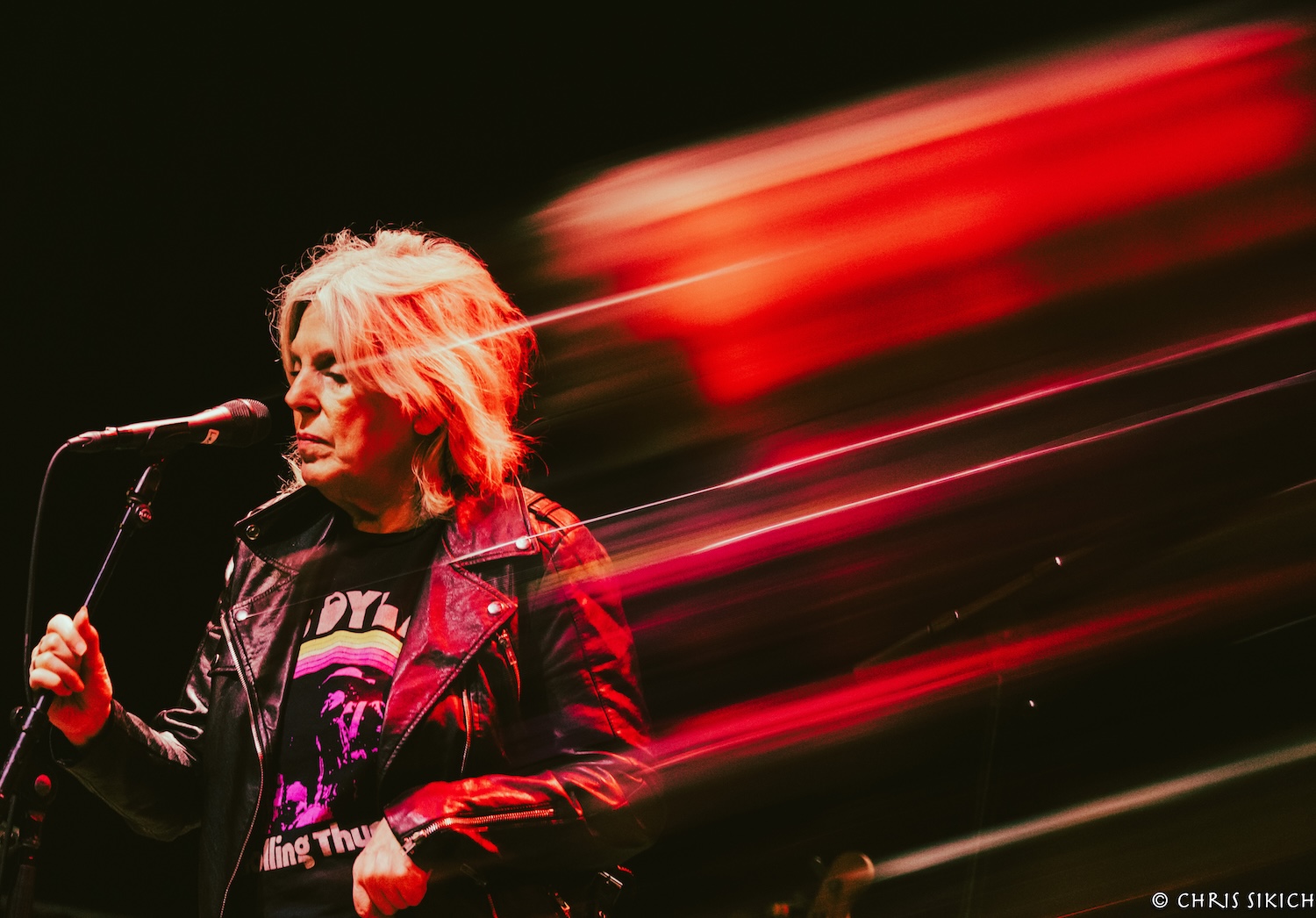
On the eve of Philly’s primary election, Lucinda Williams engaged in some masterful world-building at Union Transfer, delivering a perfectly curated 19-song set that mixed big-picture protest songs decrying the state of the world with intimate portraits of friends and former lovers who weren’t long for this world.
Kicking off a two-night stand, Williams opened with the title track of her best-known album, Car Wheels On A Gravel Road, and ended with a respectable cover of Neil Young’s “Rockin’ In The Free World,” a ragged rager that’s managed to transcend its straight-outta-1989 verses to become a guaranteed sing-along for three decades and counting.
In between, Williams and her virtuoso band drew four songs from her latest release, this year’s World’s Gone Wrong, and two from 2003’s World Without Tears—including their namesake numbers—and Bob Marley’s “So Much Trouble In The World.” (Nothing from 1992’s Sweet Old World or its 2017 companion piece, This Sweet Old World, though.)
At first glance, “Car Wheels On A Gravel Road” doesn’t seem like an obvious starting point for world-building. It’s a crowd pleaser and an earworm, and a deceptively upbeat snapshot of a family in crisis: “Child in the backseat ’bout four or five years/Lookin’ out the window/Little bit of dirt mixed with tears.” But as Williams notes in her memoir, Don’t Tell Anybody The Secrets I Told You, it’s also her own origin story—even if her poet/literature professor father realized it before she did. Every song that followed, whether personal or political (as if there’s a difference), was filtered through the distinct worldview of that grown-up child with dirt and tears in her eyes.
Early in the show, Williams acknowledged the potential of bumming everyone out—and the potential upside of singing to the choir. “Not all the songs are meant to bring people down, but more to bring people together,” she said. “We need each other now more than ever.” That set up an apt segue into “The World’s Gone Wrong” from “Bad News Blues,” one of three offerings from 2020’s Good Souls Better Angels, which was released about a month and a half into the pandemic and just seven months before the stroke that stole her ability to play guitar before she could get back on the road to share its cathartic clutch of songs with the world.
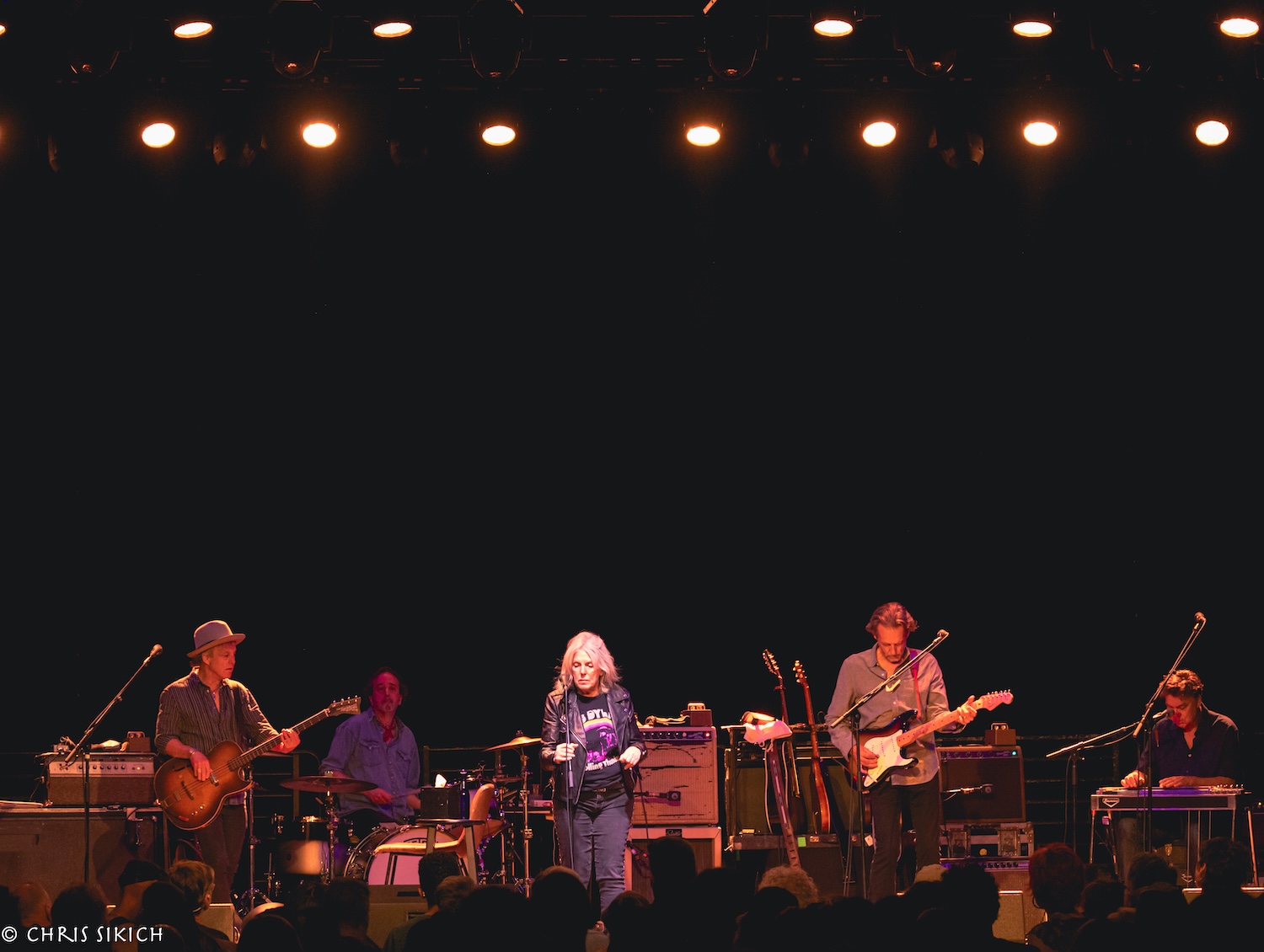
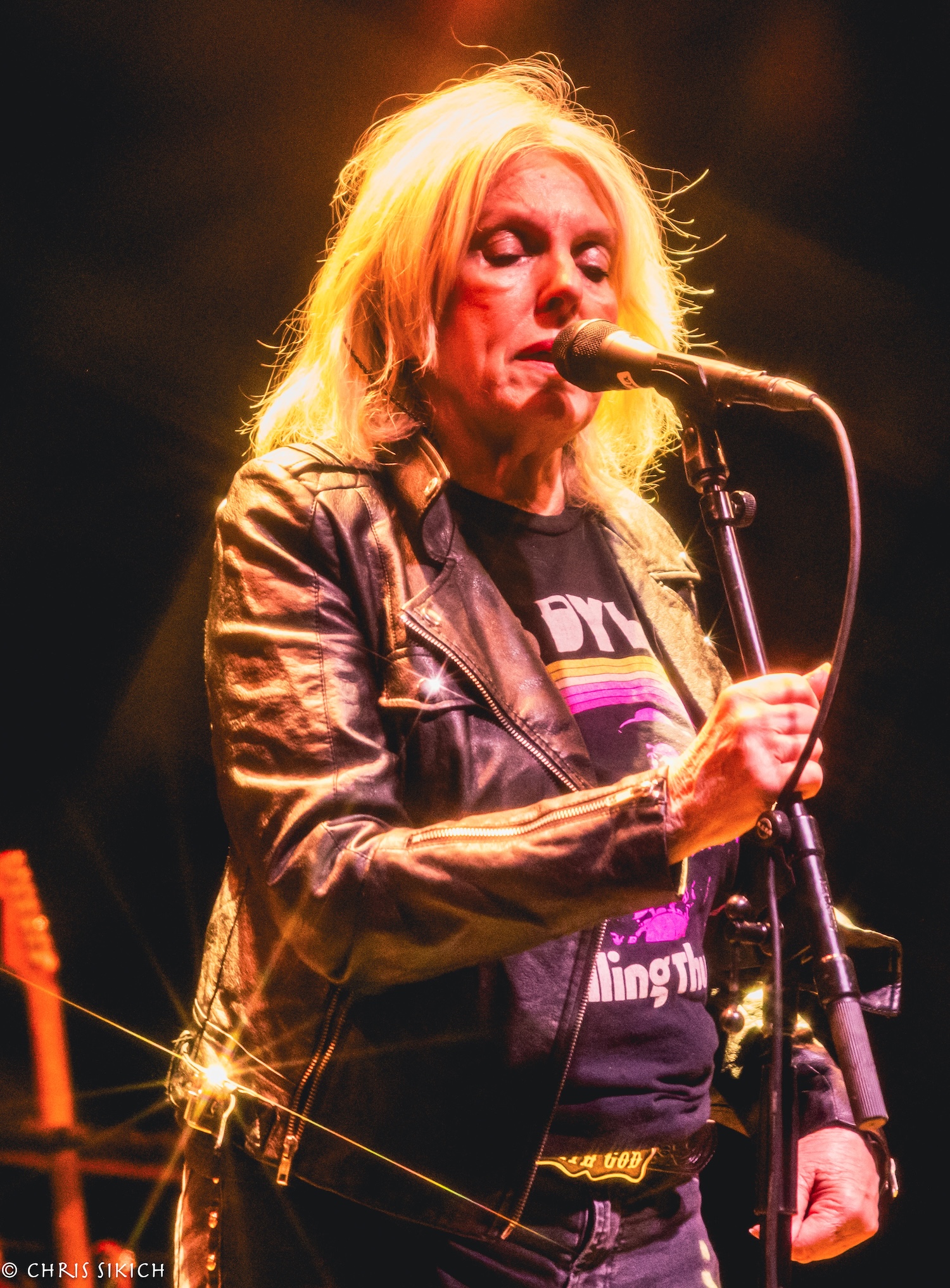
While her finger-picking days may be behind her, Williams’ voice remains powerful. “Low Life,” “Foolishness” and “Joy” in particular served as showcases for her unmistakable growl, a rich, expressive gift that sounds vulnerable and vital, sensitive and sensual, tired of this shit and never gonna quit.
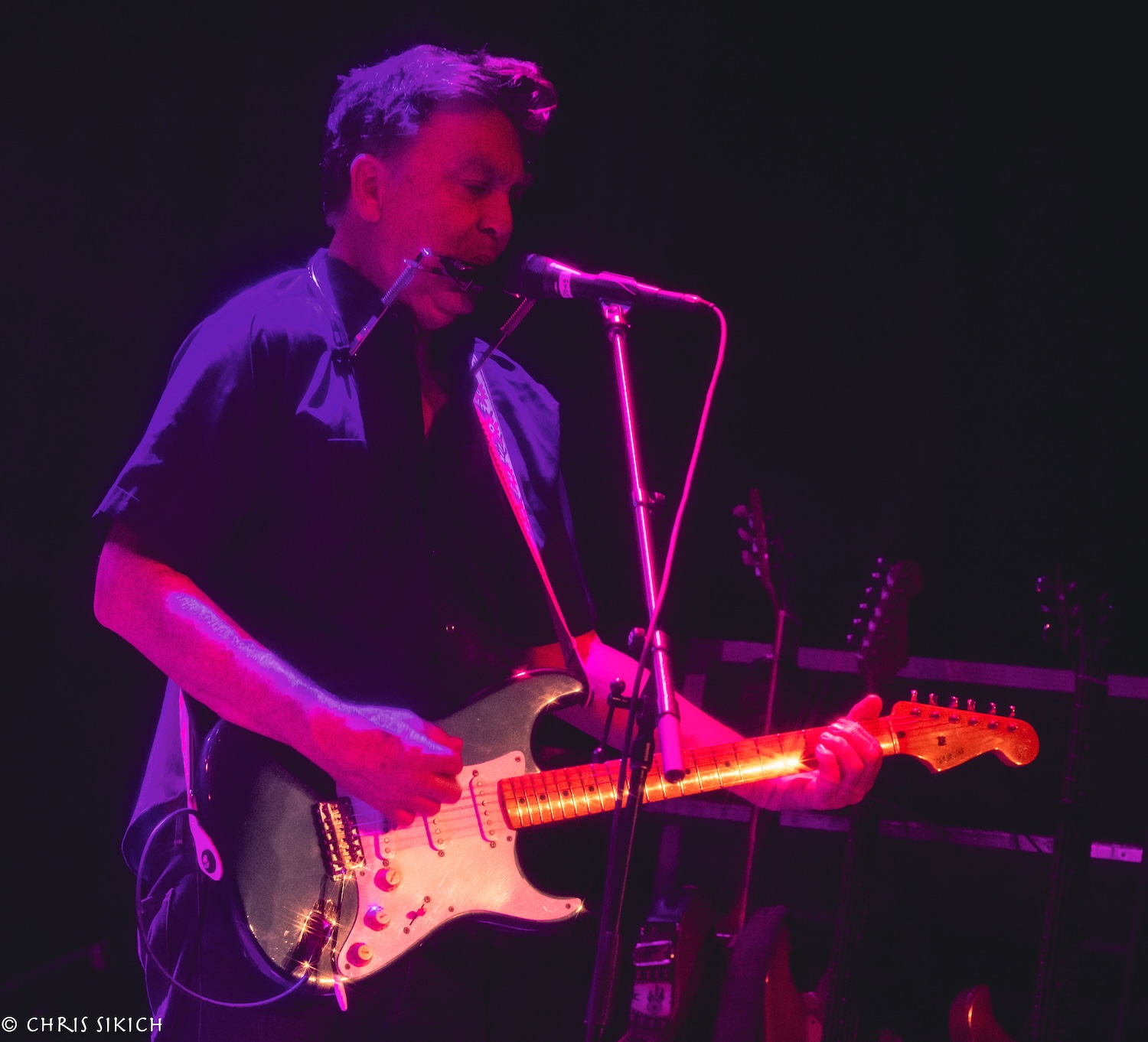
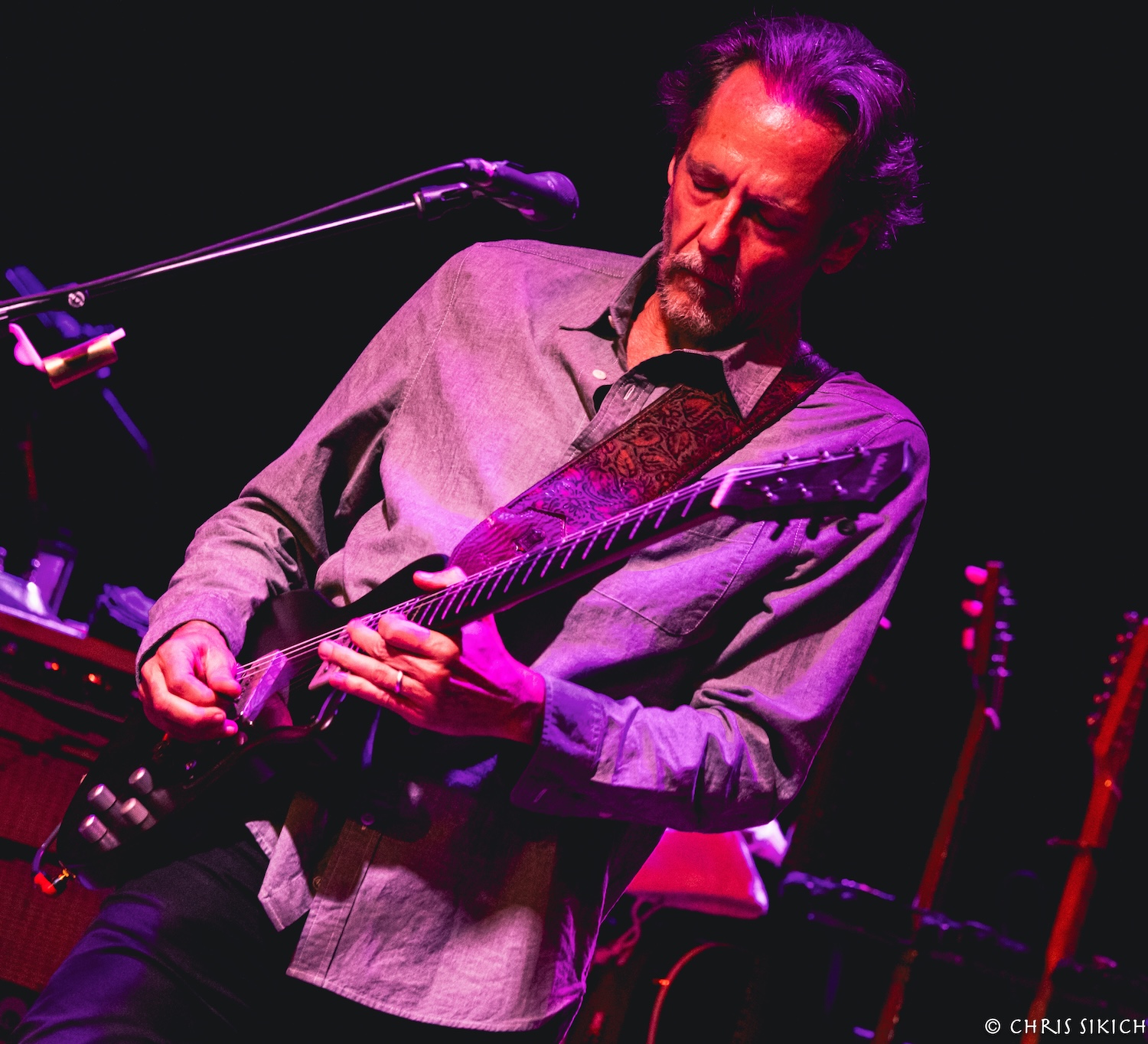
Whether she’s inhabiting a song no one else could have written, like Car Wheels character sketches “Lake Charles” and “Drunken Angel,” channeling the Staple Singers on “We’ve Come Too Far To Turn Around” and the Replacements on “Real Live Bleeding Fingers And Broken Guitar Strings” (one of several spotlights for guitarists Doug Pettibone and Marc Ford) or stepping into George Harrison’s shoes for “While My Guitar Gently Weeps” (from a collection of Beatles tunes she recorded at Abbey Road Studios in 2024), Williams makes each one her own, turning disparate texts into common ground.
The next evening, after the polls had closed throughout the city, Williams would again take to Union Transfer’s stage, swapping out about half of the set to make room for more intimate numbers like “Changed The Locks,” “Honey Bee” and “Essence,” from well-loved albums that didn’t make the cut on Monday night.
Yet no matter if she’s leaning toward the personal or the political in any given moment, her voice is just as mighty when she’s not singing but speaking up in service of healing the fractures between us.
In directing her take on Memphis Minnie’s “You Can’t Rule Me” toward the current resident of 1600 Pennsylvania Avenue, quoting Patti Smith’s “People Have The Power” and—in her own way—following in the footsteps of her Methodist-minister grandfathers, Williams underscored the need to unify.
“They want us to fight with one another,” she told the receptive crowd during her lengthiest between-song sermon. Avoiding that trap is tricky at best, nearly impossible most days. But it’s the only way to build a world that’s bigger and better than the petty disagreements and the all-too-real wedge issues that divide us. “I have to have hope,” she said. “What else is there?”
—M.J. Fine; photos by Chris Sikich