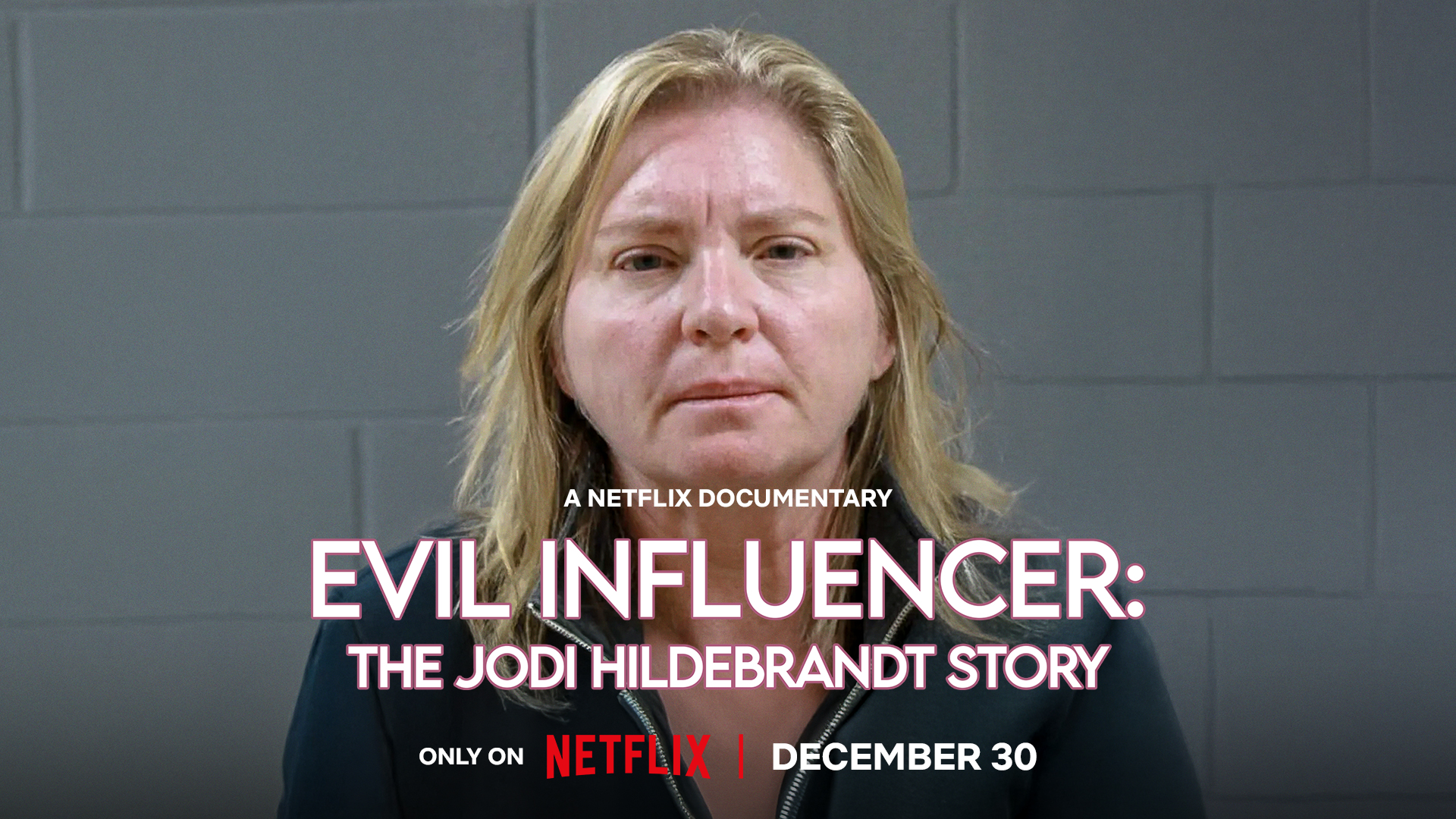
When Evil Influencer: The Jodi Hildebrandt Story lands on Netflix on December 30, it drops viewers straight into one of those cases that makes you stop, rewind, and ask yourself how something so extreme could unfold in plain sight.
The arrest of Utah therapist Jodi Hildebrandt — alongside parenting YouTuber Ruby Franke — shocked people not just because of the abuse itself, but because of how many systems of trust quietly failed along the way.
What makes the documentary especially unsettling is that it isn’t interested in quick outrage. Instead, it slows things down and examines influence — how it’s earned, how it’s abused, and how easily it can be weaponized when authority goes unchecked.


That approach comes directly from its director, Skye Borgman, whose body of work has become synonymous with true crime that prioritizes understanding over spectacle.
“I like to choose stories that are a little bit confusing to me,” Borgman explained. “I go in thinking, How does something like this happen? I don’t know if I’ll be able to answer it, but I’ll definitely be able to unpack it.”
That instinct — to sit with discomfort rather than smooth it over — is exactly why Evil Influencer feels less like a headline recap and more like a slow unraveling.
Why This Story Starts With Jodi Hildebrandt
At first glance, the case seems to orbit Ruby Franke. She’s the recognizable face, the influencer with years of YouTube content and a built-in archive. Borgman knew that path was the obvious one — and deliberately stepped away from it.

“There are other projects out there that really focus on Ruby Franke, and it’s pretty easy to do that,” she said. “She’s the bright, shiny object. But Jodi Hildebrandt kind of disappears when she’s put next to Ruby.”
As Borgman dug deeper, that imbalance started to matter.
“It really was when Ruby met Jodi that things got more extreme,” she said. “Jodi Hildebrandt really is kind of the ringleader of this.”
What emerged was a disturbing pattern: former clients who didn’t know one another, yet described eerily similar experiences with Hildebrandt’s brand of “therapy.” The language shifted. Families fractured. Authority hardened into control.
“All of these people’s experiences lined up,” Borgman said. “That manipulation — she just kept getting better and better at it.”


From Cinematography to Calling the Shots
Borgman didn’t set out to become one of Netflix’s most recognizable true crime directors. For nearly two decades, she worked primarily as a cinematographer. The pivot happened almost accidentally, with Abducted in Plain Sight.
“I didn’t really decide to switch,” she said. “I made that film, and I was still working as a cinematographer. I did the sound, a lot of the editing — everything I could — because we were making it inexpensively.”
That film changed everything. Not only did it become a cultural lightning rod, but it revealed something Borgman hadn’t fully articulated yet: her ability to guide deeply personal, painful stories without flattening them.
Since then, her projects — including Girl in the Picture, American Murder: Laci Peterson, Fit for TV, and Unknown Number: The Highschool Catfish — have drawn audiences precisely because they refuse to tell viewers what to think.
“I really try to let the story lead,” she said. “Every story is incredibly unique. I don’t want to walk in thinking, Well, we did it this way last time. I want to listen to what the story is telling me it needs to be.”


The Human Lens Is the Point
That philosophy also shapes how Borgman approaches interviews. Her process isn’t built on gotcha moments or sensational confrontations.
“It’s a lot of research, a lot of patience, and a lot of listening,” she said. “Preparation is key — knowing as much as I can — and then really listening when they say something new and pulling on that thread.”
That adaptability matters, especially when her subjects vary so widely. A reality TV participant requires a different approach than someone who’s never been on camera before. Borgman adjusts accordingly.
“The approaches are remarkably different,” she said. “You have to meet people where they are.”
That care is palpable onscreen — and it’s one of the reasons her documentaries linger long after the credits roll.


Power, Religion, and Escalation
With Evil Influencer, Borgman confronted something even more unsettling than social media fame: the quiet authority of high-demand belief systems.
“One of the main contributing factors here is that they were both involved in a high-demand religion,” she said. “You’re taught to listen to people above you — bishops, elders — and toe the line.”
That framework helped normalize obedience, even as Hildebrandt’s demands escalated — separating families, isolating children, and tightening control.
“I think it really comes down to power,” Borgman said. “She would tell people to do something — and they would do it. And she just kept upping the ante.”
The result was abuse so extreme that Borgman admitted she hadn’t encountered anything like it before.
“I don’t know if those kids would have survived if that little boy hadn’t escaped,” she said.


Why She Keeps Making These Stories
For Borgman, the emotional toll is real — and cumulative. After projects involving children, she’s conscious of stepping back when needed.
“It does take a toll,” she said. “Sometimes you have to say, Maybe the next one, no kids.“
But she keeps returning to these stories for one reason: impact.
“I had someone email me after Unknown Number and say, ‘I think something like this might have happened to me,’” she recalled. “If putting these stories out there opens that door for someone, that balance makes sense to me.”
Her hope for Evil Influencer is simple — and quietly radical.
“I hope people recognize manipulators when they see them,” she said. “If messaging is pulling you away from what feels truthful to who you are, question it. Cut people out of your life who are more toxic than good.”
It’s not a flashy takeaway, and it isn’t sensational. Borgman doesn’t rush to tell viewers what to think. She lets the story unfold, then steps back — trusting the audience to sit with it on their own terms. And that’s why you’ll be thinking of it long after the credits roll.
Evil Influencer: The Jodi Hildebrandt Story premieres December 30 only on Netflix.
-
Evil Influencer director Skye Borgman talks influence, control, and why her documentaries trust viewers to think for themselves.
-
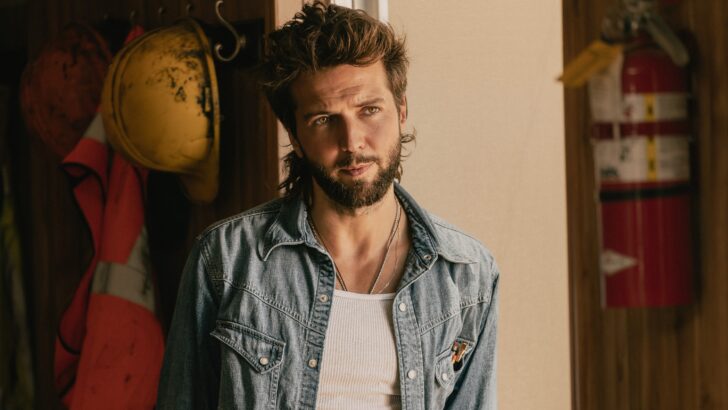
Guy Burnet opens up about playing “Charlie” on Landman, breaking rules in Taylor Sheridan’s world, and filming the airplane scene fans can’t stop talking about.
-
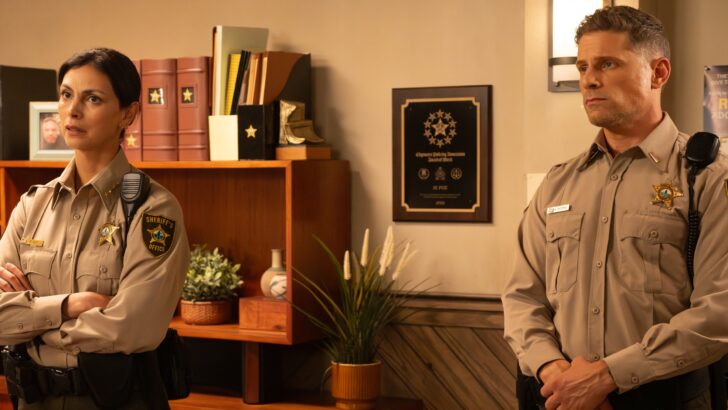
Sheriff Country’s showrunner, Matt Lopez, sat down with TV Fanatic to talk all about the intense fall finale, including that reconciliation.